 TRIVANA
Sofia hostsPlay Trivana
Electricity Concepts People And Places · Hosted by Sofia
No signup required
AI-generated content may contain mistakes. Check important information.
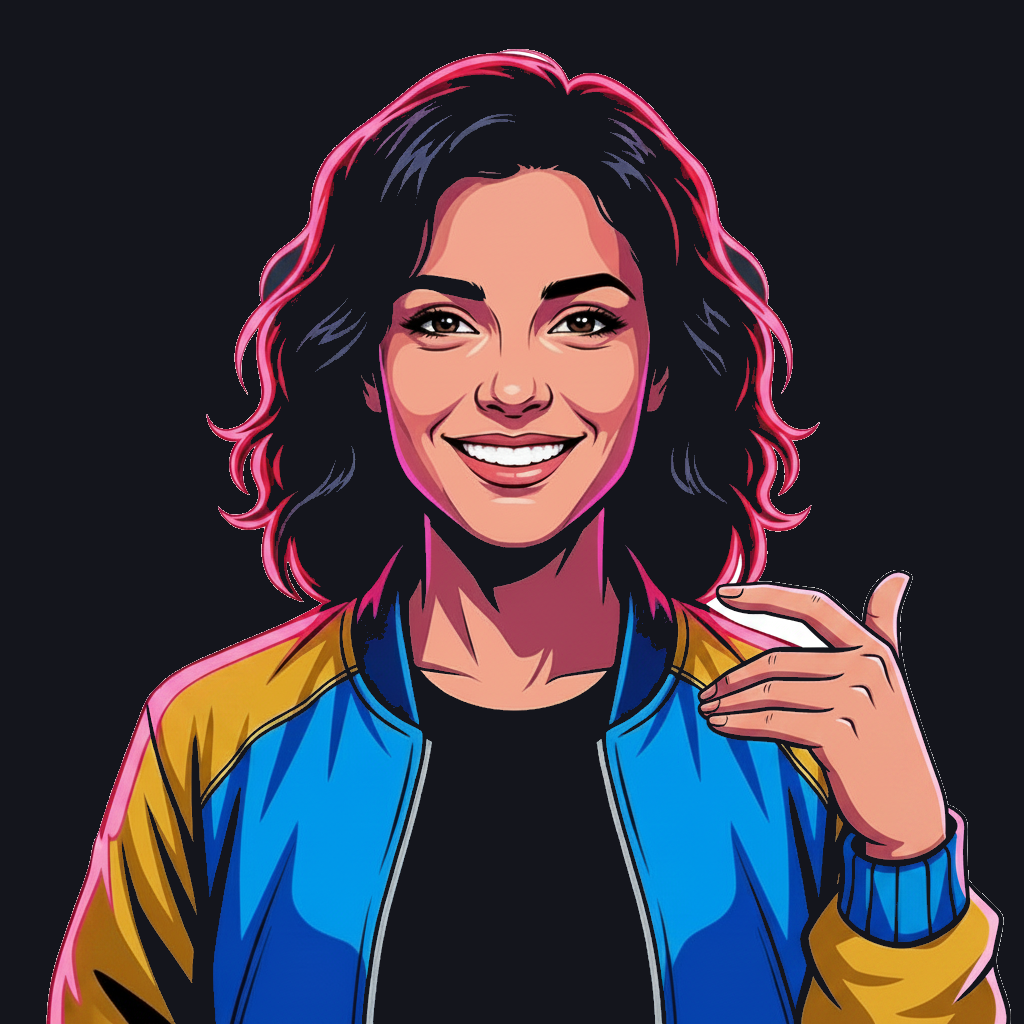
Sofia
Bright & encouraging
Host
 HostSofiaBright & encouraging
Language & voice
Changes this screen's question text and host audio. Live Autopilot uses the creator-prepared English narration.
“Electricity Concepts People And Places” is a medium-difficulty AI-hosted trivia game about electricity concepts people and places. It contains 10 questions, uses a serious tone, and usually takes about 4 minutes to play on one device.
The published metadata covers Pioneers of electrical science, Fundamental circuit concepts, History of power generation, Electrical units and measurements, North American power grid reliability, and AC vs DC transmission history. The exact questions stay inside the game so the first attempt is not spoiled. Generated content can still be wrong, so review the questions before using this pack in a classroom, workplace, or other high-stakes setting.
Sofia is the selected host identity. This standard pack uses reusable host moments and does not include the answer-aware Smart Host production level.
The pack is published in English. Share the play link with another person; players can open it in a modern browser without creating an account. Scores and display names are self-asserted and should not be treated as verified identity, attendance, certification, or learning evidence.
Expect roughly 4 minutes for a full playthrough. "Electricity Concepts People And Places" has 10 questions on a 15-second-per-question clock, with answer reveals in between.
Players don't need to register. Share the link, they open it, they play. Trivana is built so hosts (classrooms, events, Discord servers) can spin up a game without forcing every participant through a signup flow.
"Electricity Concepts People And Places" uses Sofia as its selected host identity. It is a standard pack with reusable host moments, not the answer-aware Smart Host production level. You can read the host profile at /hosts/sofia.
The pack is rated medium — a mid-level challenge — expect questions that reward genuine familiarity with the topic but don't require deep expertise. Combined with the serious tone, it's a good fit for mixed groups with some knowledge of the topic.
At its core, "Electricity Concepts People And Places" is about electricity concepts people and places. Questions pull from themes including Pioneers of electrical science, Fundamental circuit concepts, History of power generation, Electrical units and measurements, North American power grid reliability, and AC vs DC transmission history. Exact questions are held back from the landing page so the first run still feels fresh.
Published language: English. Language and voice availability can vary by host and production level.
These 5 games share canonical tags with this one — same fanbase, adjacent angle. Each is a complete playable round in the same on-screen hosted format. Standard games use reusable host moments; only Smart Host-ready packs add prepared answer-aware reactions.
